
Strategy research, explained
Practical notes on backtesting, validation and GPU compute for systematic traders. Written by the AlphaPrime team.
 VALIDATION
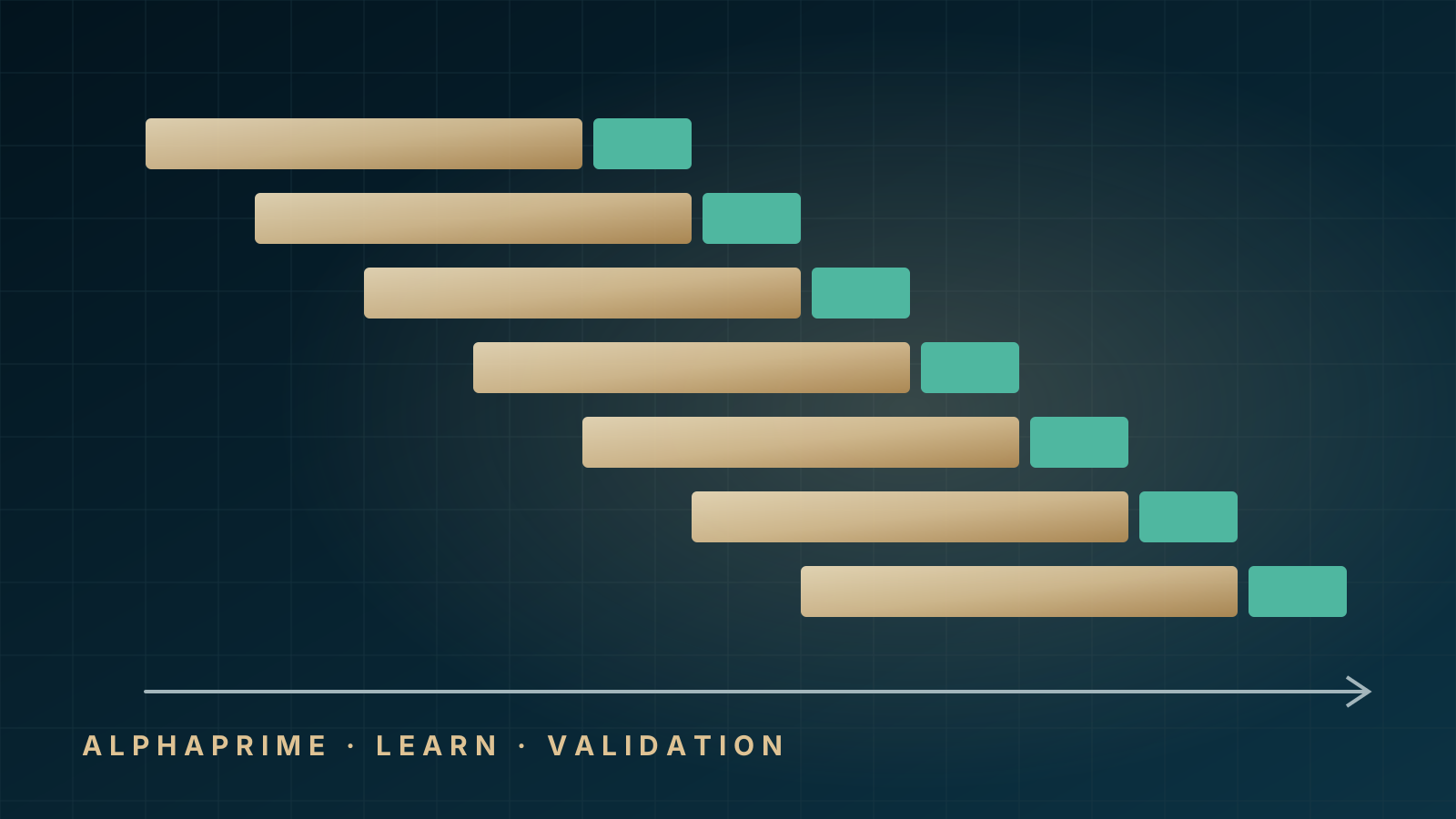
Walk-forward analysis: why one backtest is not enough
A single backtest tells you how a strategy fit the past. Walk-forward analysis asks a harder question: would the way you build and tune it have held up on data it had not seen yet?
Read the article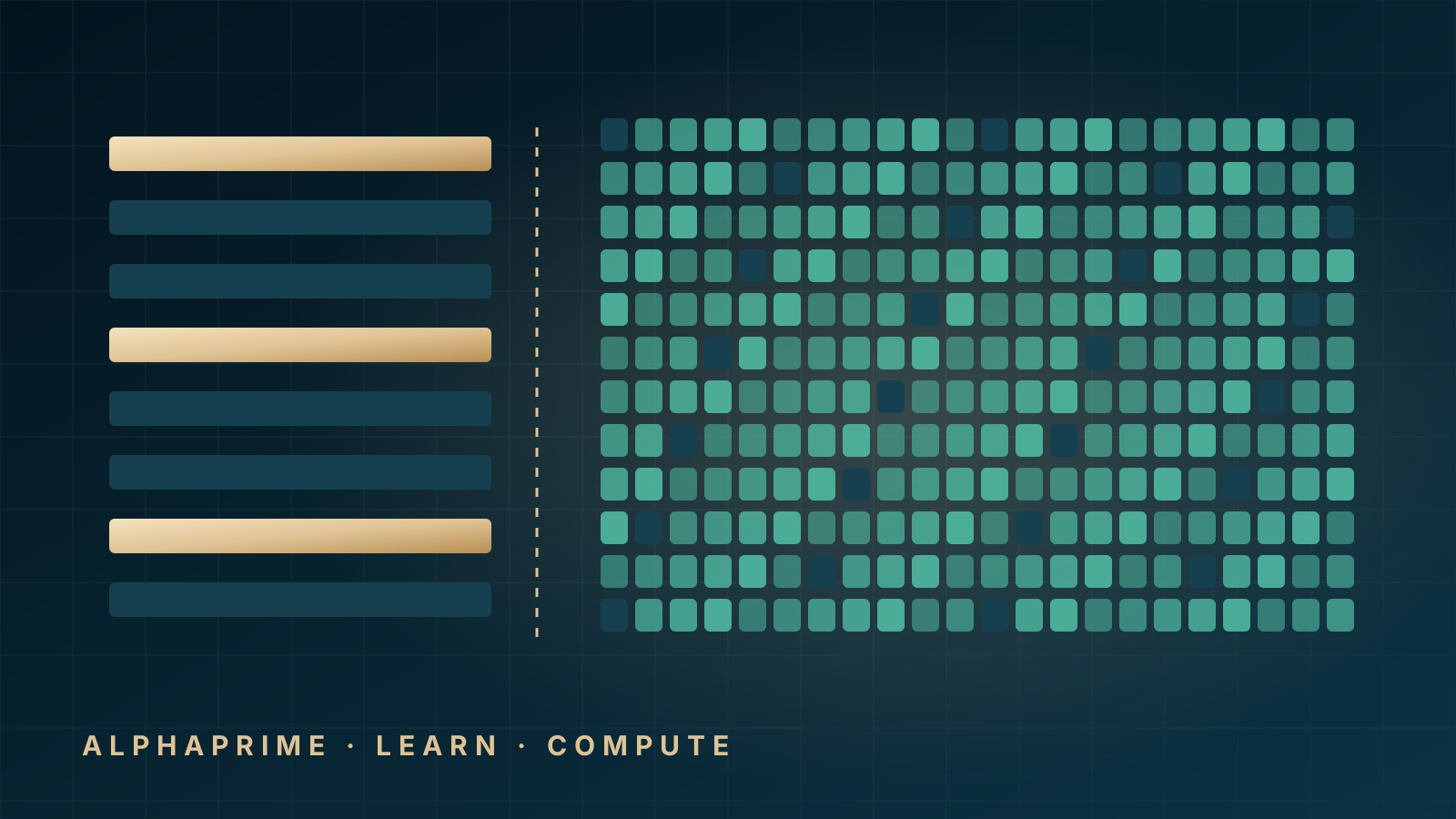 COMPUTE
GPU vs CPU backtesting: when graphics cards help, and when they don't
Testing one strategy is a sequential job. Testing millions of different strategies is not, and that difference is why GPUs can change how much of a search space you are able to explore.
Read the article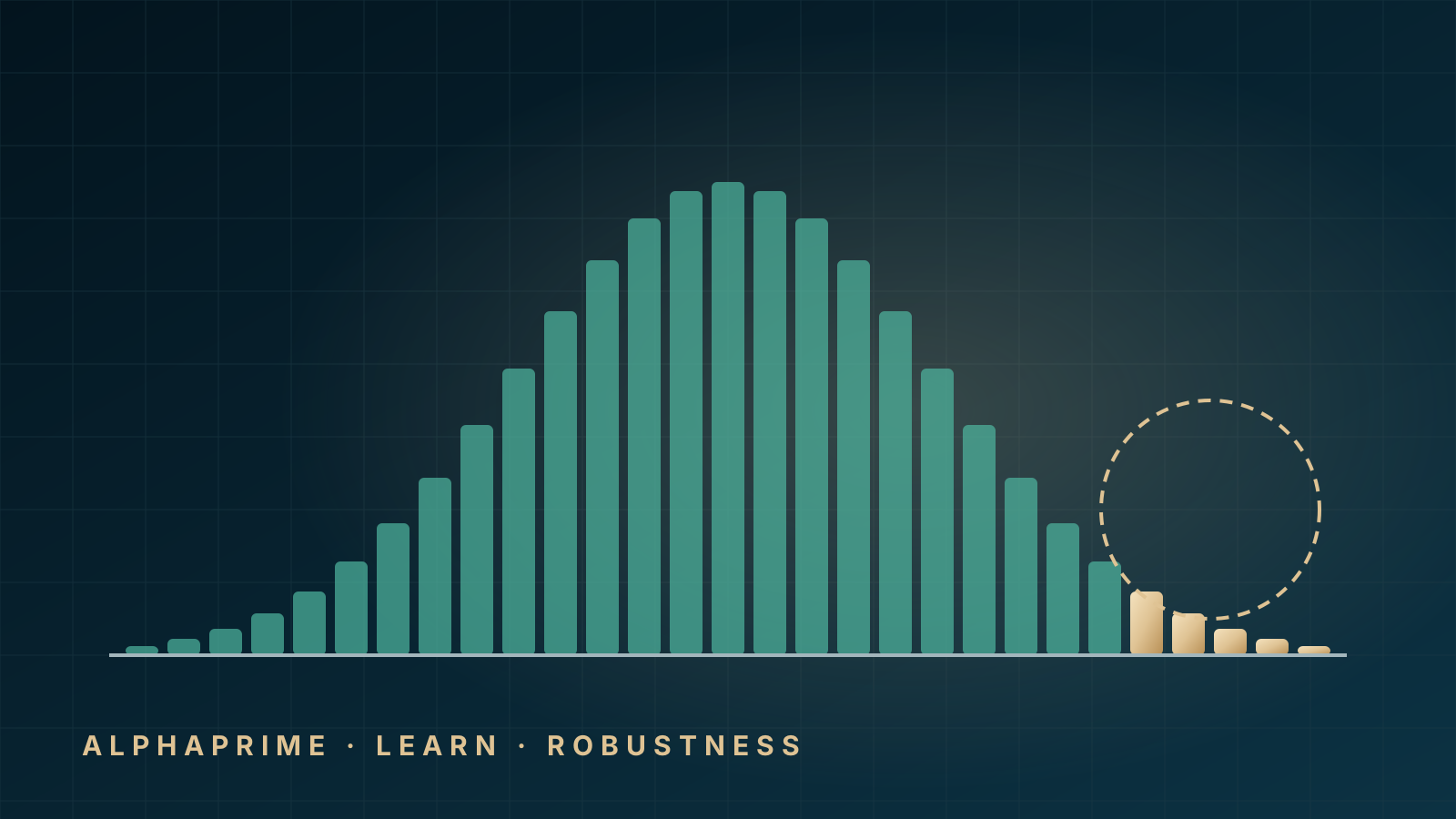 ROBUSTNESS
Overfitting in strategy generation: how not to fool yourself
Generate enough strategies and some will look excellent by chance alone. The more you search, the more that matters. Here is how to tell the difference.
Read the article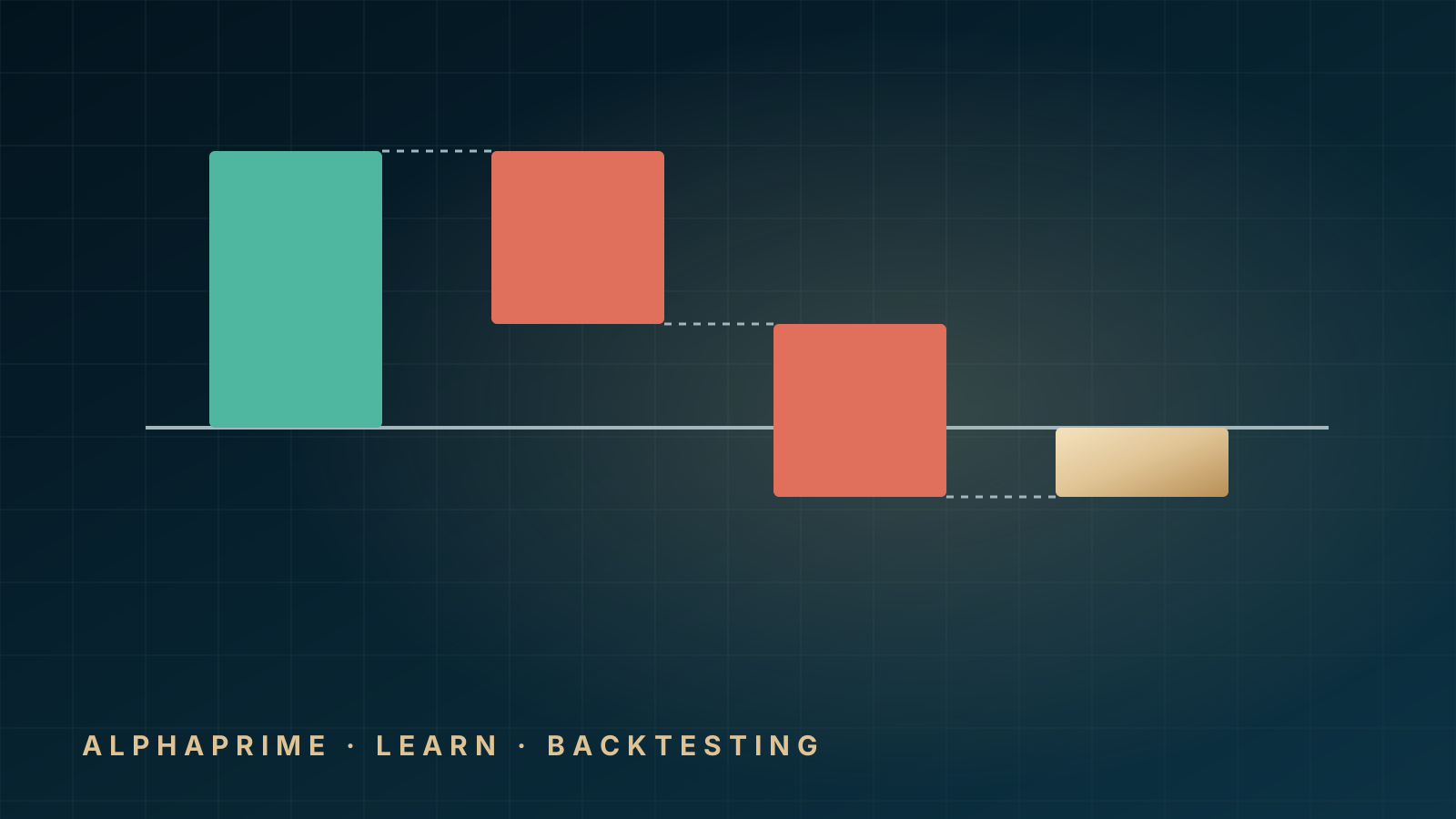 BACKTESTING
Trading costs in backtests: commission, slippage and the average trade
Many strategies that look good in a backtest have an edge per trade smaller than the cost of taking the trade. Put costs in from the first run and compare them with the average trade.
Read the article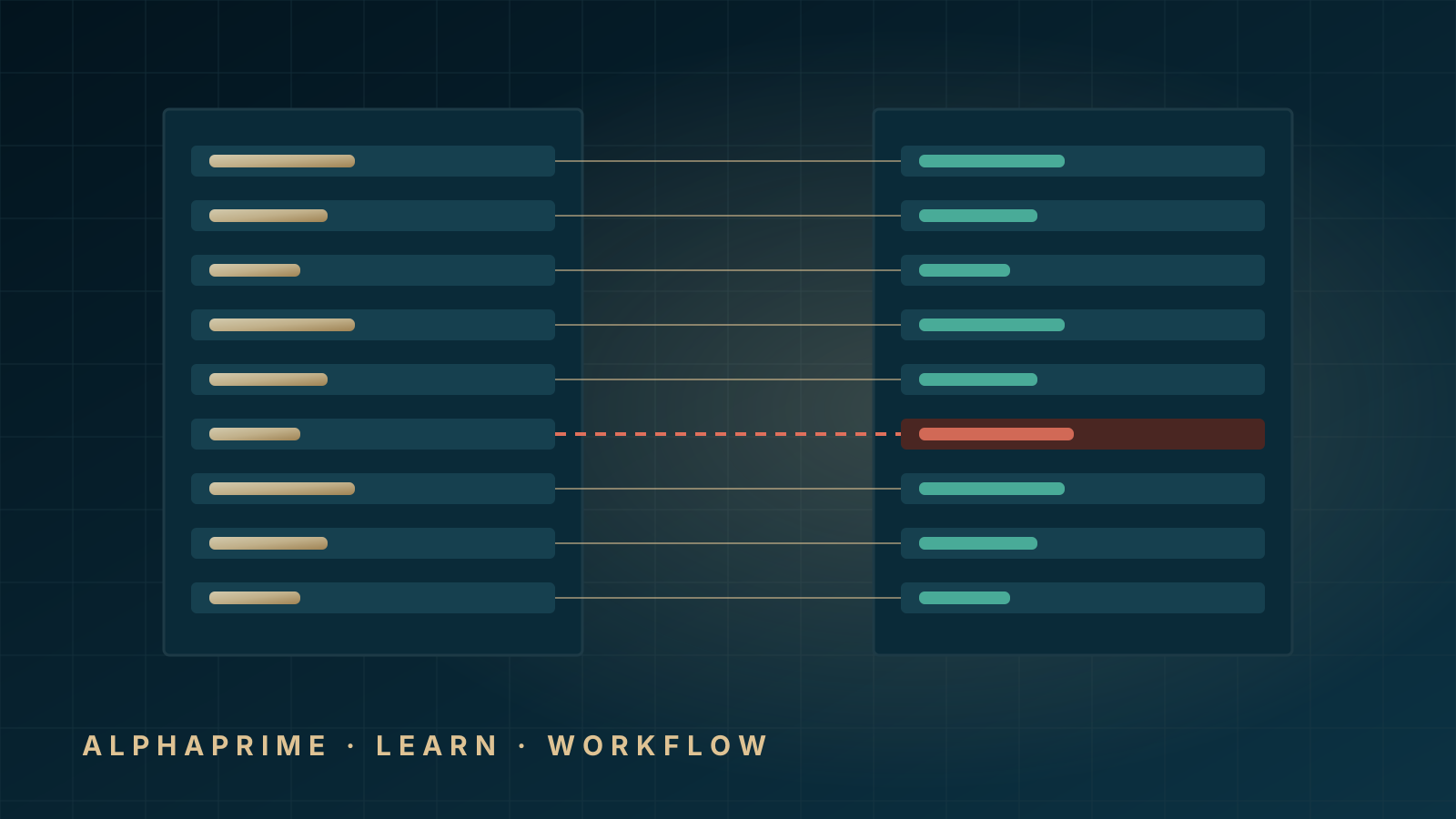 WORKFLOW
From generated strategy to MultiCharts: a PowerLanguage comparison checklist
After exporting a strategy to PowerLanguage, compare its trades in MultiCharts with the research backtest. When they differ, the cause is usually one of a few settings. Check them before you trust either result.
Read the article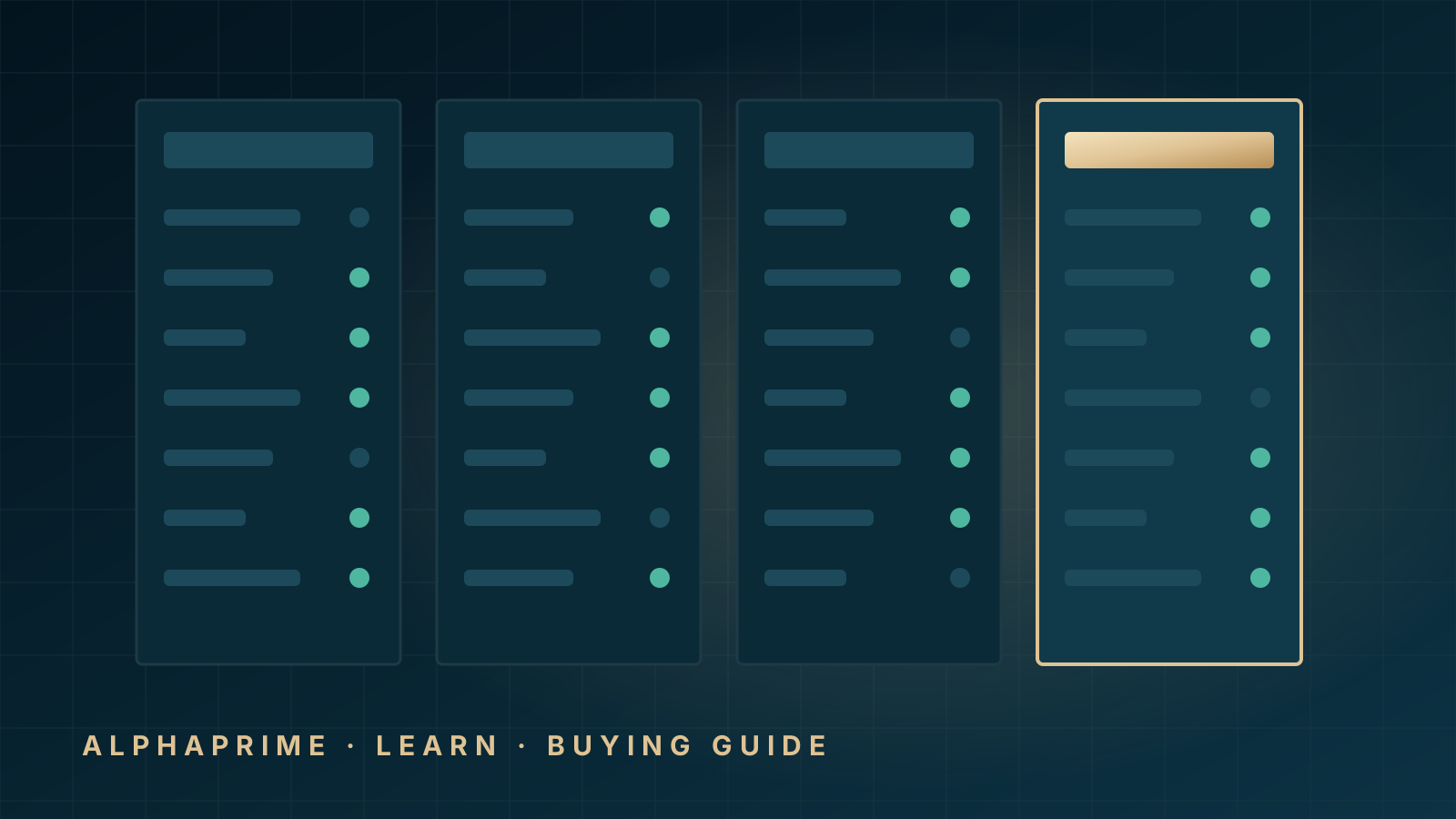 BUYING GUIDE
How to choose strategy generation software: what to compare
Strategy generators differ in how they search, how they validate, where they export and how they are licensed. Here are the questions to ask, and what each vendor's official site says as of 6 October 2026.
Read the article